Kuma Science services
Solar system sizing
Photovoltaic systems and mini-grids sized on the actual resource of the site
Contact usA system sized precisely, for reliable service at a controlled cost
An oversized system costs too much. An undersized one leaves users without power. Our engineers size every installation from the site’s solar resource and actual needs, with assumptions visible at every step.
Our sizing work helps your teams:
- Match capacity, storage and distribution to actual needs
- Keep the service running all year, in the dry and the rainy season
- Control the investment cost and the cost per kilowatt-hour
- Have a technical file ready for supplier tenders
Our calculations rely on SolClim-3, our sizing software, and on solar data calibrated on ground measurements.
-
Mini-grids, stand-alone systems, grid-connected systems and solar pumping
-
From a single building to a village and an industrial site
-
Every assumption visible, from demand to report
Start from actual needs
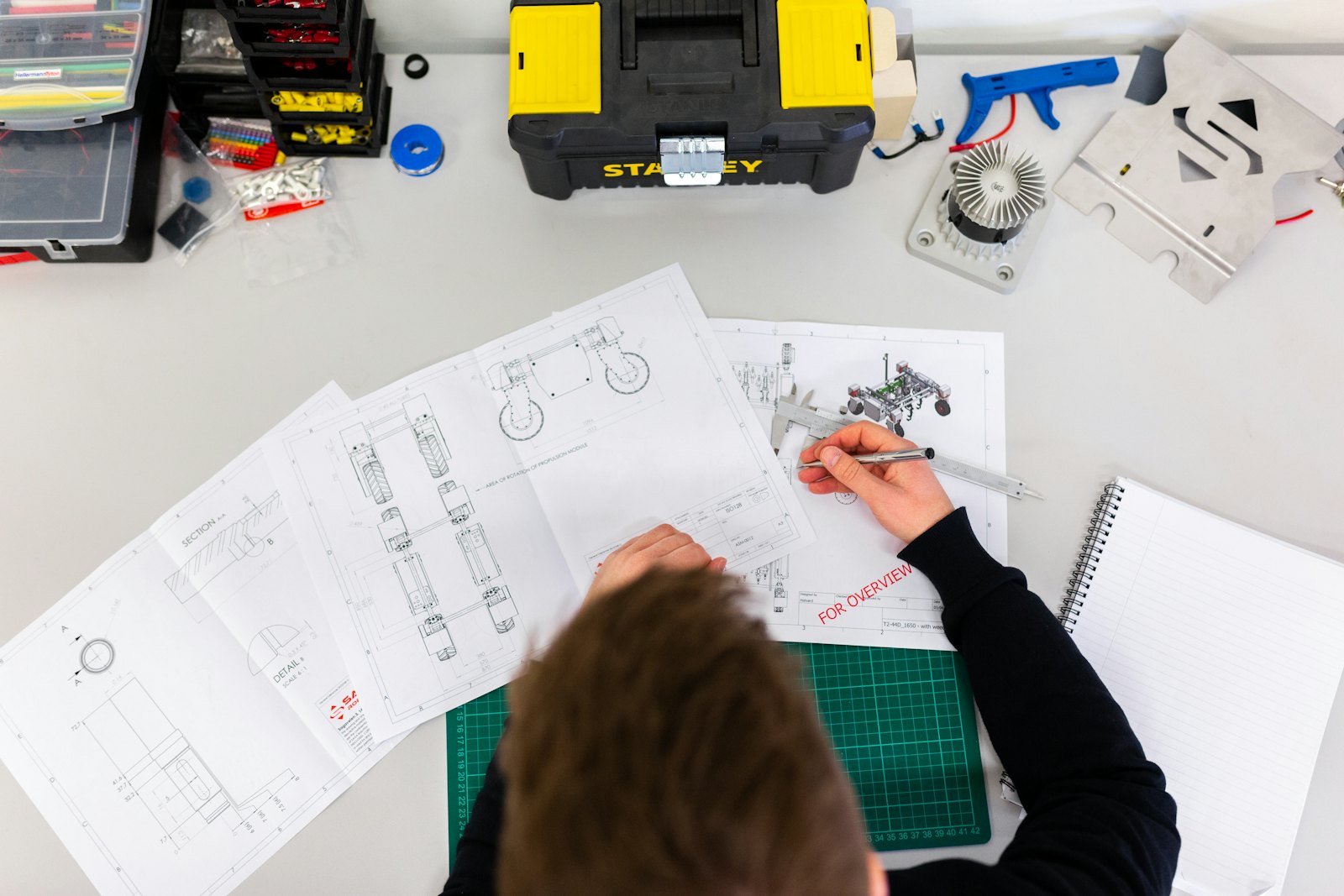
Sizing starts with demand: uses, peak loads and consumption profiles through the day and the seasons. Equipment is then chosen to meet that demand, without unnecessary margin.
We establish:
- The demand assessment, appliance by appliance or by user category
- The daily and seasonal load profile
- Demand growth assumptions
Size on the site’s resource
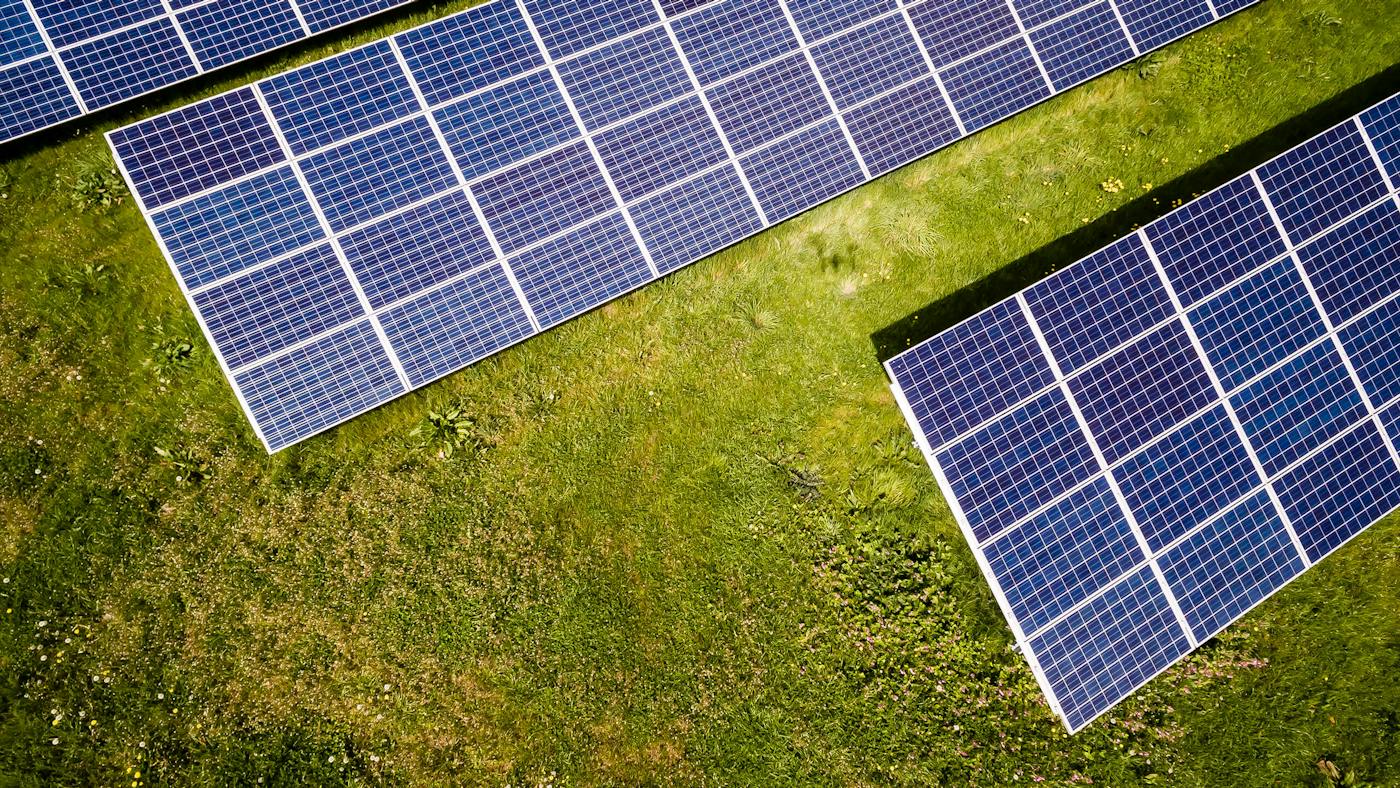
A system’s output depends on the site’s actual irradiance, month by month. We use series calibrated on ground measurements where they exist, and we size on the least favourable months.
Sizing sets:
- PV array capacity and orientation
- Storage capacity and autonomy
- Any backup generator
A complete technical file
The report presents the selected configuration, the expected output as P50 and P90, and the costs. It is the basis for supplier tenders and the funding file.
The file includes:
- The equipment list and specifications
- The system’s single-line diagram
- Investment and operating cost estimates
Our clients
-
Engineering firms and installers
Outsource the sizing of a project or have yours checked.
-
Mini-grid developers
Size a village grid and prepare the funding request.
-
Industrial and mining sites
Reduce the share of diesel in a site’s power supply.
-
Institutions, NGOs and programmes
Equip health centres, schools or water points.
Deliverables
-
Demand assessment
Uses, peak loads and load profile of the site.
-
Resource study
Irradiance and temperature at the site, month by month, with their confidence grade.
-
Technical configuration
PV capacity, storage, inverters and any backup.
-
Output and performance
Annual output as P50 and P90 and demand coverage rate.
-
Economic estimate
Investment and operating costs, cost per kilowatt-hour.
-
Sizing report
A complete document, ready for supplier tenders.
How an assignment unfolds
- 01
Scoping
We define with you the site, the uses and the project constraints.
- 02
Demand assessment
We establish the demand to be met, with you or from your records.
- 03
Sizing
We calculate the configuration and compare it with alternatives.
- 04
Delivery
We deliver the report and answer your teams’ questions.
Frequently asked questions
How is this different from a prefeasibility study?
Prefeasibility establishes whether a project is worth pursuing. Sizing defines precisely the system to be built.
Can you check an existing design?
Yes. We review the assumptions and calculations and point out gaps with the site’s resource and needs.
Which software do you use?
SolClim-3, developed by Kuma Science. It works on calibrated solar data and keeps every assumption visible.
Do you supply equipment?
We remain independent from suppliers. Our file is used to consult them and compare their offers.
Which countries do you work in?
Across West Africa. In Guinea, our calculations rely on series calibrated on ground measurements. Elsewhere, they use satellite products with documented uncertainty.
Related services
A system to size?
Tell us about your site and your needs. We get back to you within two working days with a proposal.